
The RestoreTrade Community Fund: How 20% of Profits Go Back to Britain
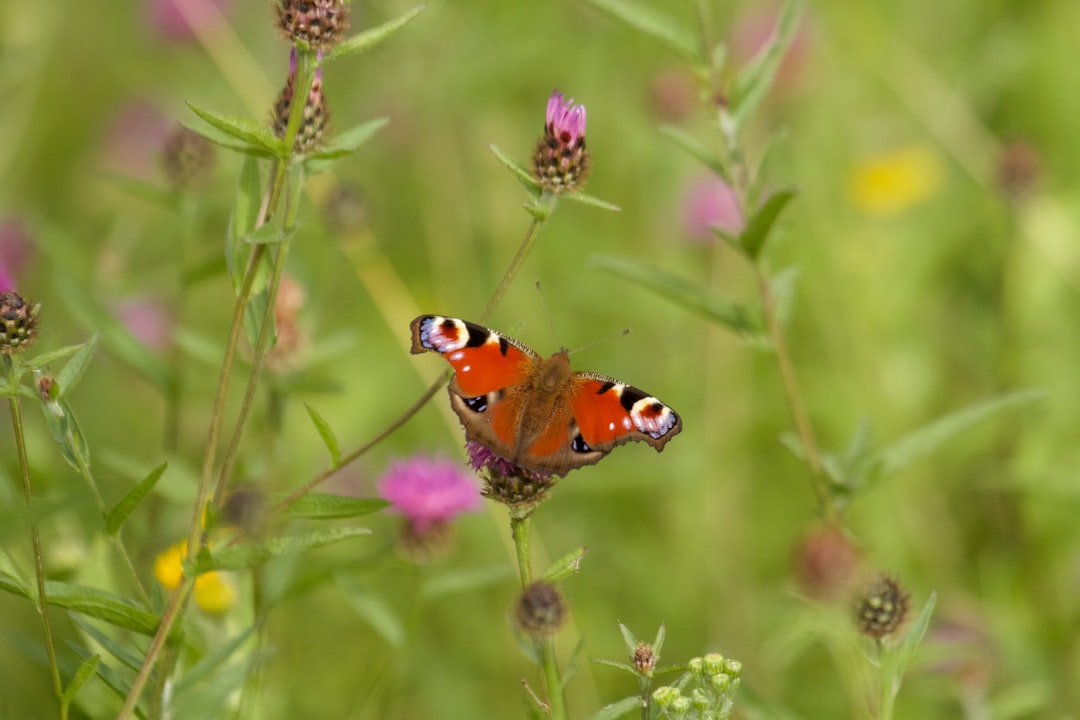
When we launched RestoreTrade as Britain’s verified business directory, we made a pledge that 20% of all profits would go directly back to British communities. Not a vague corporate social responsibility statement buried in an annual report. A specific, public commitment to five causes that matter to the people and places this platform serves.
This is not charity for the sake of marketing. It is a fundamental part of what RestoreTrade is. The platform exists to strengthen local communities by connecting people with trusted businesses. The Community Fund extends that mission beyond commerce — into the rivers, woodlands, farmland, and wild spaces that make Britain worth caring about.
The Five Pillars
RestoreTrade’s Community Fund is built around five pillars, each addressing a specific challenge facing British communities and the natural environment.
1. Wildlife Conservation
Britain’s wildlife is in crisis. The State of Nature 2023 report found that one in six species in the UK is threatened with extinction. Hedgehog numbers have declined by over 30% since 2000. Water voles, once common along every river in the country, have disappeared from 90% of their former range. Turtle dove populations have collapsed by 98% since 1970.
These are not abstract statistics. They represent the disappearance of the natural world from everyday life in Britain. Children growing up in South Yorkshire today are less likely to see a hedgehog, hear a cuckoo, or spot a hare than any previous generation.
The Community Fund supports wildlife conservation projects that work at the local level — habitat creation, species monitoring, and community engagement programmes that reconnect people with the nature on their doorstep. Priority is given to projects in South Yorkshire and the wider North of England, though support extends nationally where the impact is greatest.
2. River Cleanup
South Yorkshire is defined by its rivers. The Don, the Dearne, the Rother, and the Sheaf are woven through the geography and history of every town in the region. But decades of industrial use, combined with ongoing sewage discharge and agricultural runoff, have left many of these waterways in poor condition.
The scale of the problem is staggering. In 2023, water companies discharged raw sewage into English rivers for over 3.6 million hours. The River Don, which runs through Sheffield, Rotherham, and Doncaster, has been particularly affected. While water quality has improved dramatically since the worst days of heavy industry, the river is still far from healthy.
The Community Fund supports river cleanup initiatives — both direct action (litter picks, habitat restoration along riverbanks) and advocacy for stronger regulation of sewage discharge. Clean rivers are not a luxury. They are essential infrastructure for communities, wildlife, and the long-term health of the region.
3. Bee Habitats
Pollinators are responsible for approximately one third of the food we eat. Without bees, hoverflies, butterflies, and other pollinating insects, the British agricultural system would face catastrophic failure. Yet pollinator populations have declined dramatically — 13 bee species have gone extinct in the UK, and a further 35 are considered under threat.
The primary driver is habitat loss. Wildflower meadows, which once covered vast areas of the British countryside, have declined by 97% since the 1930s. The flowers that bees depend on for food have largely been replaced by monoculture agriculture and manicured suburban lawns.
Restoring bee habitats does not require enormous tracts of land. Urban gardens, roadside verges, school grounds, and community allotments can all become valuable pollinator habitats with relatively modest intervention. The Community Fund supports projects that create and maintain bee-friendly spaces, particularly in urban and suburban areas of South Yorkshire where habitat loss has been most severe.
4. Forest Restoration
Britain is one of the least forested countries in Europe. Just 13% of the UK’s land area is wooded, compared to an EU average of 37%. Centuries of clearance for agriculture, industry, and development have stripped the landscape of the forests that once covered the majority of the British Isles.
The consequences extend far beyond aesthetics. Forests regulate water flow (reducing flood risk), sequester carbon, support biodiversity, improve air quality, and provide spaces for recreation and mental health. The South Yorkshire Community Forest project has been working for decades to increase tree cover across the region, and there are ambitious national targets to plant millions of new trees by 2050.
The Community Fund supports forest restoration in two ways: funding new planting projects and supporting the maintenance of existing woodland. Planting a tree is relatively cheap. Ensuring it survives, grows, and becomes part of a functioning ecosystem requires years of ongoing care — protection from deer, management of competing vegetation, and thinning to allow the strongest trees to thrive.
5. Supporting British Farmers
British farming is under enormous pressure. Input costs have risen sharply, while farmgate prices for many products have barely kept pace with inflation. The transition away from EU agricultural subsidies towards the new Environmental Land Management (ELM) schemes has created uncertainty for thousands of farm businesses. And extreme weather — floods, droughts, and unseasonal frosts — is becoming more frequent and more damaging.
The connection between local businesses and local farmers is direct. The cafes and restaurants listed on RestoreTrade source ingredients. The builders and mechanics serve farming communities. The health of British agriculture is intertwined with the health of the local business economy.
The Community Fund supports British farmers through initiatives that bridge the gap between producers and local consumers — farmers’ markets, farm shop networks, and educational programmes that help people understand where their food comes from and why it matters who produces it.
How the Fund Works
The Community Fund operates on a simple model:
- RestoreTrade generates revenue through ethical commercial partnerships (never from businesses listed on the directory, which remains free)
- 20% of net profits are allocated to the Community Fund each financial year
- Funds are distributed across the five pillars based on identified need and available projects
- Impact is reported publicly so that RestoreTrade users can see exactly where the money has gone
In the early stages of RestoreTrade’s growth, the absolute sums will be modest. We are honest about this. A startup directory does not generate enormous profits in its first year. But the pledge is baked into the business from day one — it is not something we will add later when it becomes affordable. As RestoreTrade grows, the fund grows with it.
Why 20%
Twenty percent is a significant commitment. Most corporate giving programmes allocate between 1% and 5% of profits. Some high-profile pledges, like the 1% for the Planet movement, set the bar even lower.
We chose 20% because the causes matter enough to justify it, and because RestoreTrade’s business model can sustain it. The platform has low operating costs — it runs on modern cloud infrastructure with no physical premises and a lean team. The money that is not needed to run the business can go where it makes the most difference.
It is also an accountability mechanism. A pledge of 1% is easy to honour and easy to forget. Twenty percent is significant enough that it forces discipline — it means the business must be run efficiently, and that growth is pursued for purpose, not just profit.
Local Impact, National Scope
While RestoreTrade’s business directory is currently focused on South Yorkshire — Doncaster, Sheffield, Rotherham, and Barnsley — the Community Fund’s scope is national. The five pillars affect every part of Britain, and the fund will support projects wherever the impact is greatest.
That said, South Yorkshire will always receive particular attention. This is where RestoreTrade started, where our verified businesses operate, and where our users live. The region faces specific environmental challenges — flood risk along the Don and Dearne valleys, air quality issues in urban centres, and the ongoing legacy of industrial land use — that make targeted investment especially valuable.
Getting Involved
You do not need to spend money to support the Community Fund. Every time you use RestoreTrade to find a local business, leave a review, or recommend the platform to a friend, you are helping the directory grow — and growth means more funds for the causes that matter.
If you run a business in South Yorkshire, listing on RestoreTrade is free and takes a few minutes. Your presence on the platform helps build the most comprehensive verified business directory in the region, which in turn supports the Community Fund’s mission.
You can learn more about the Community Fund, including specific projects we support and how funds are allocated, on the Community Fund page.
RestoreTrade is proof that a business can be commercially viable, useful to its community, and a force for environmental good — all at the same time. The Community Fund is not a side project or an afterthought. It is the reason the platform exists.
FAQ
When will the Community Fund start distributing money?
The Community Fund will begin distributing funds once RestoreTrade reaches commercial viability and generates net profits. The 20% pledge applies from the very first pound of profit — there is no threshold or waiting period. In the early stages, the focus is on growing the platform to a point where it can generate meaningful revenue through ethical partnerships, at which point the fund becomes active.
How will RestoreTrade generate revenue if listings are free?
RestoreTrade’s revenue model is based on ethical commercial partnerships — not on charging businesses to be listed. This includes contextual advertising from relevant brands, affiliate partnerships with trade suppliers, and sponsored content that is clearly labelled and never influences business rankings or verification status. The directory itself remains completely free for both businesses and consumers.
Can I donate directly to the Community Fund?
The Community Fund is currently funded exclusively through RestoreTrade’s profits rather than direct donations. This keeps the model simple and ensures that every contribution comes from genuine commercial activity rather than charitable fundraising. As the fund grows, direct donation mechanisms may be introduced, but the core 20% profit pledge will always be the primary funding source.
How will I know where the money goes?
RestoreTrade is committed to full transparency on Community Fund spending. Once the fund is active, regular reports will be published showing exactly how much was generated, how it was allocated across the five pillars, and which specific projects received support. This information will be available on the Community Fund page and through RestoreTrade’s social media channels.